
In the first week of November 2026, two US state authorities took public action against online sweepstakes offerings. Distributors, agents, and store operators who work with sweepstakes platforms should pay attention to both.
Maryland: cease-and-desist notice to SpeedSweeps (November 2, 2026)
On November 2, 2026, the Maryland Lottery and Gaming Control Commission sent SpeedSweeps a Notice to Cease and Desist. The notice told SpeedSweeps “to immediately cease and desist conducting all unauthorized online gaming activity in Maryland.”
The Commission wrote that SpeedSweeps was “offering online casino gaming, poker, and sweepstakes that are available to individuals who are physically present in Maryland.” It also said these offerings “contain the elements of gaming: consideration, chance and prize.” According to the notice, the only real-money online gaming currently legal in Maryland is mobile sports wagering by licensed operators and online fantasy sports by registered operators.
SpeedSweeps was asked to respond within 10 days. The response had to confirm that it will stop offering these games in Maryland, give a date when operations will end, and include a wind-down plan. The Commission warned that not complying “may jeopardize the qualifications of SpeedSweeps for any future Commission-issued license, registration, or certification.” As of this article, SpeedSweeps’ response is not in the public documents used here.
Arkansas: Attorney General sues VGW (November 4, 2026)
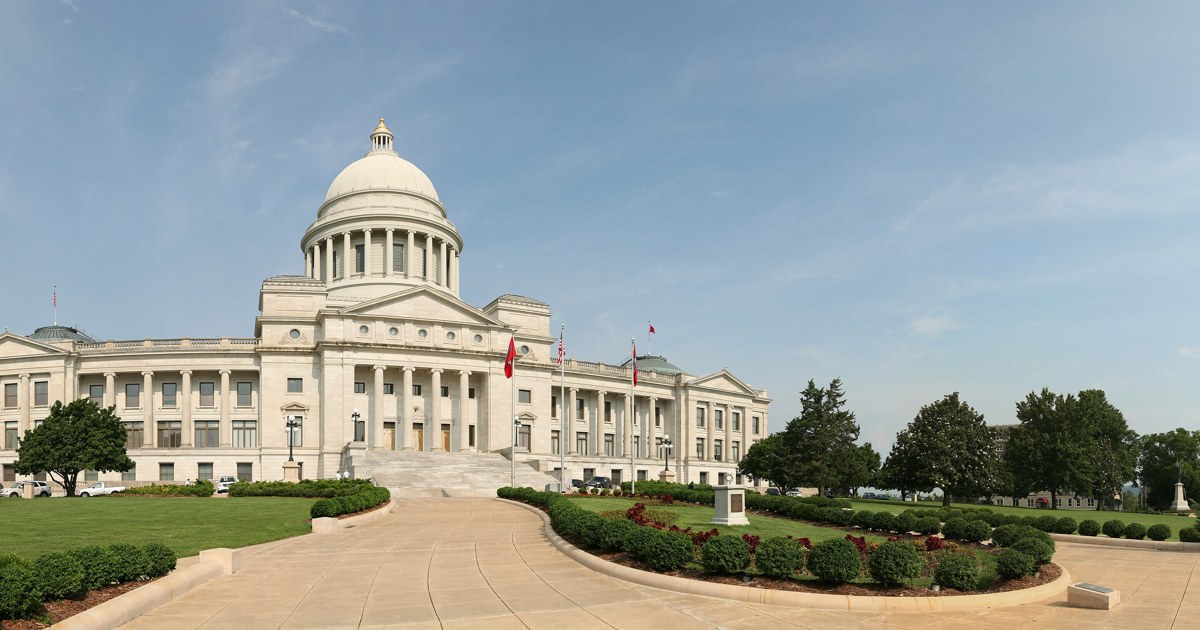
On November 4, 2026, Arkansas Attorney General Tim Griffin announced that he had filed a lawsuit against VGW. The release describes VGW as an online gaming platform that features Chumba Casino, LuckyLand Casino, LuckyLand Slots, and Global Poker. The suit claims violations of the Arkansas Deceptive Trade Practices Act.
The Attorney General’s statement focuses on the dual-currency model. Players buy “Gold Coins” with real money, receive “Sweeps Coins” as a bonus, and can redeem Sweeps Coins they win “for actual cash.” The statement says: “Any reasonable person would call that gambling.” It compares the model to earlier internet sweepstakes cafés, which it says courts “repeatedly rejected.” The office says the lawsuit seeks “restitution, penalties, taxes, and injunctive relief.”
This is a lawsuit, not a court decision. The release itself notes that VGW “claims that it is not operating a gambling business.” A court will decide the claims. The linked complaint was not reviewed for this article, so the court name, case number, and exact filing date are not stated beyond the November 4, 2026 news release.
What B2B operators can take from this
- Both actions are aimed at the operators. The Maryland notice is addressed to SpeedSweeps, the site operator. The Arkansas lawsuit names VGW, the platform company. Neither document announces action against distributors, agents, or stores.
- Existing laws were used. Maryland relied on its existing gaming law. Arkansas relied on its Deceptive Trade Practices Act. Neither action depended on a new sweepstakes-specific statute.
- Player location mattered in Maryland. The Maryland notice is about games “available to individuals who are physically present in Maryland.” Anyone in the supply chain should know which states their players are in and what each platform’s terms allow.
- Platform availability can change. After regulatory action, a platform may stop operating in a state or change its offerings there. Distributors and agents should keep an eye on platform announcements and terms.
Bottom line
Within one week, a state gaming regulator ordered one sweepstakes site to stop serving its residents, and a state attorney general sued one of the best-known sweepstakes operators. Businesses that work with these platforms should follow how both cases develop and get qualified legal advice for their own situation.
This article is for general information only and is not legal advice. Industry coverage does not imply endorsement or that NexGen offers these platforms.
Sources
- Arkansas Attorney General, news release, November 4, 2026: Attorney General Griffin files lawsuit against online gaming platform VGW
- Maryland Lottery and Gaming Control Commission, Notice to Cease and Desist to SpeedSweeps, dated November 2, 2026: Speedsweeps cease-and-desist PDF
See also: how NexGen prepaid backend accounts work and the current platforms NexGen supplies.